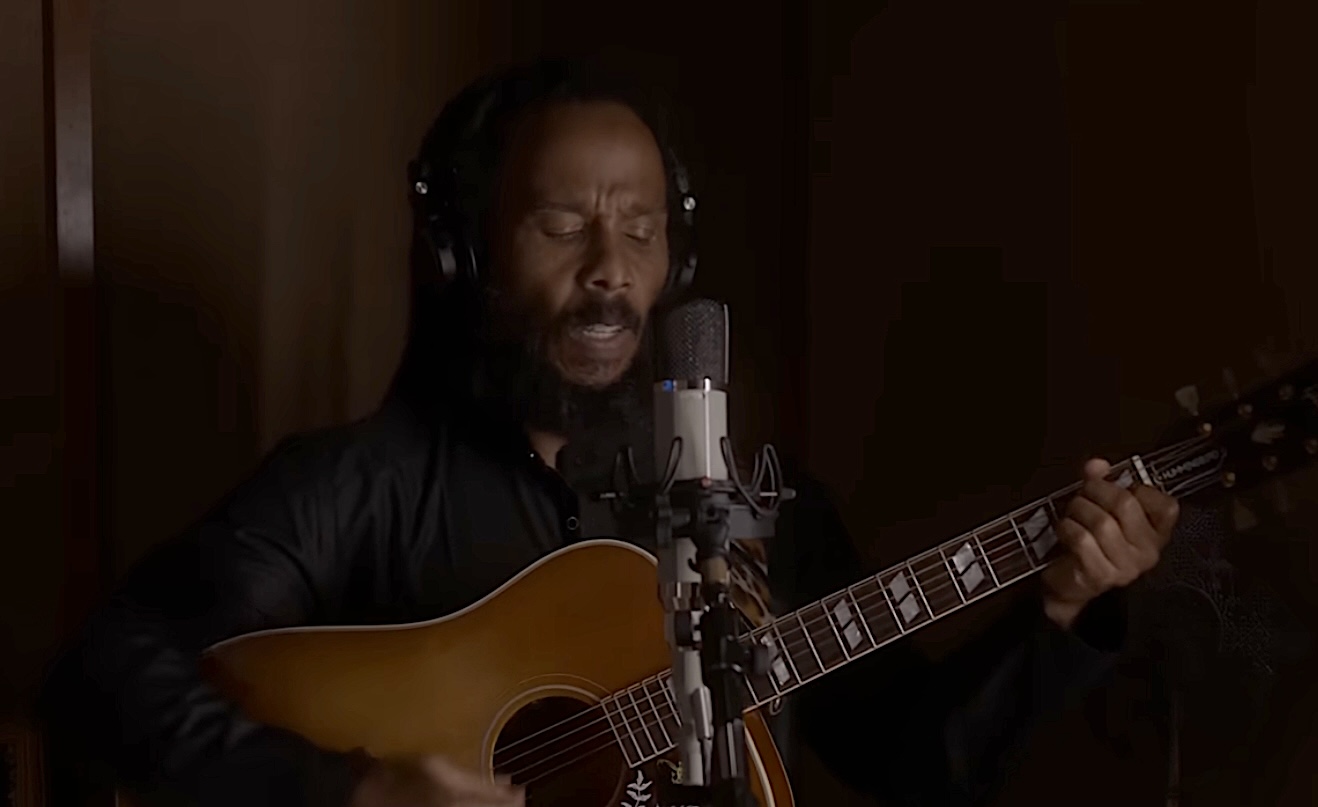























On February 6—what would have been Bob Marley’s birthday—nine-time GRAMMY® Award-winning artist Ziggy Marley released one of the most personal and emotionally resonant songs of his career. Titled “Many Mourn For Bob,” the new track stands as a deeply felt tribute to his father’s life, message, and everlasting global influence.
For the first time in his celebrated career, Ziggy has written and recorded an original song specifically dedicated to his father. The result is a reflective, soulful meditation on memory, loss, and legacy—one that speaks not only to a son’s grief, but to the millions around the world who continue to find guidance, peace, and unity in Bob Marley’s music.
A Song Born From Reflection and Rediscovery
“Many Mourn For Bob” emerged during Ziggy Marley’s experience producing the 2024 biographical film Bob Marley: One Love, a project that prompted deep personal reflection. Immersed in archival material, music, and stories from his father’s life, Ziggy found himself reconnecting with Bob Marley not just as a cultural icon—but as his father.
“‘Many Mourn For Bob’ is a reflection on my father from the deepest parts of my heart and subconscious mind, born from rediscovering him with new eyes,” Ziggy shared.
That emotional rediscovery pulses through the song’s lyrics and melody, offering listeners a rare, intimate window into the Marley family bond.
A Visual Tribute Filled With Memory
The track arrives alongside a moving music video that further deepens its impact. Featuring rare and personal images from Ziggy’s childhood with his father, the video blends nostalgia with reverence—reminding viewers that behind the global icon was a father, a family man, and a source of love.
The visuals feel less like a performance and more like a quiet remembrance, allowing the song’s message to breathe while honoring Bob Marley’s humanity.
Why “Many Mourn For Bob” Resonates Right Now
Decades after his passing, Bob Marley remains one of the most influential figures in music and culture. His legacy as a peacemaker in Jamaica, a global ambassador for reggae, and a symbol of unity continues to grow with each generation. Ziggy’s tribute arrives as a reminder that Bob’s message is not frozen in time—it is alive, evolving, and deeply personal.
Key reasons this release matters:
-
A rare, first-ever song written by Ziggy Marley specifically for his father
-
A deeply personal reflection shaped by the Bob Marley: One Love film experience
-
A music video featuring intimate, never-before-seen family imagery
-
A release timed to Bob Marley’s birthday, amplifying its emotional weight
-
A reminder of reggae’s enduring cultural and spiritual influence
-
A bridge between legacy, family, and future generations of listeners
The Enduring Power of Bob Marley’s Music
Bob Marley’s cultural impact remains staggering. His landmark compilation Legend is the best-selling reggae album of all time, the longest-charting album in Billboard’s Catalog Albums chart, and the second longest-charting album in history overall. In the streaming era, classics like “Three Little Birds” and “Could You Be Loved” have each surpassed one billion streams on Spotify.
The Legend album continues to introduce new listeners to Marley’s timeless message of love, resistance, and unity—making it both a historical document and a living soundtrack.
A Legacy That Continues to Grow
Bob Marley’s influence extends far beyond music. From his posthumous induction into the Rock and Roll Hall of Fame to a GRAMMY Lifetime Achievement Award and Jamaica’s Order of Merit, his legacy has been formally recognized across generations. His music—and the ideals behind it—continue to inspire artists, activists, and communities worldwide.
With “Many Mourn For Bob,” Ziggy Marley doesn’t attempt to redefine that legacy. Instead, he humanizes it—offering a son’s perspective on a man the world continues to mourn, celebrate, and love.
This is not just a tribute song. It’s a moment of connection—between past and present, father and son, and a global audience united by music that still matters.
🎵 Watch the video for “Many Mourn For Bob” and revisit Bob Marley & The Wailers’ Legend—a reminder that some voices never fade.
Report Mark Winkler